Our family history is deeply rooted in Saint Hedwig and has been a part of its story since the 1870s. Here is how we became what we are today.
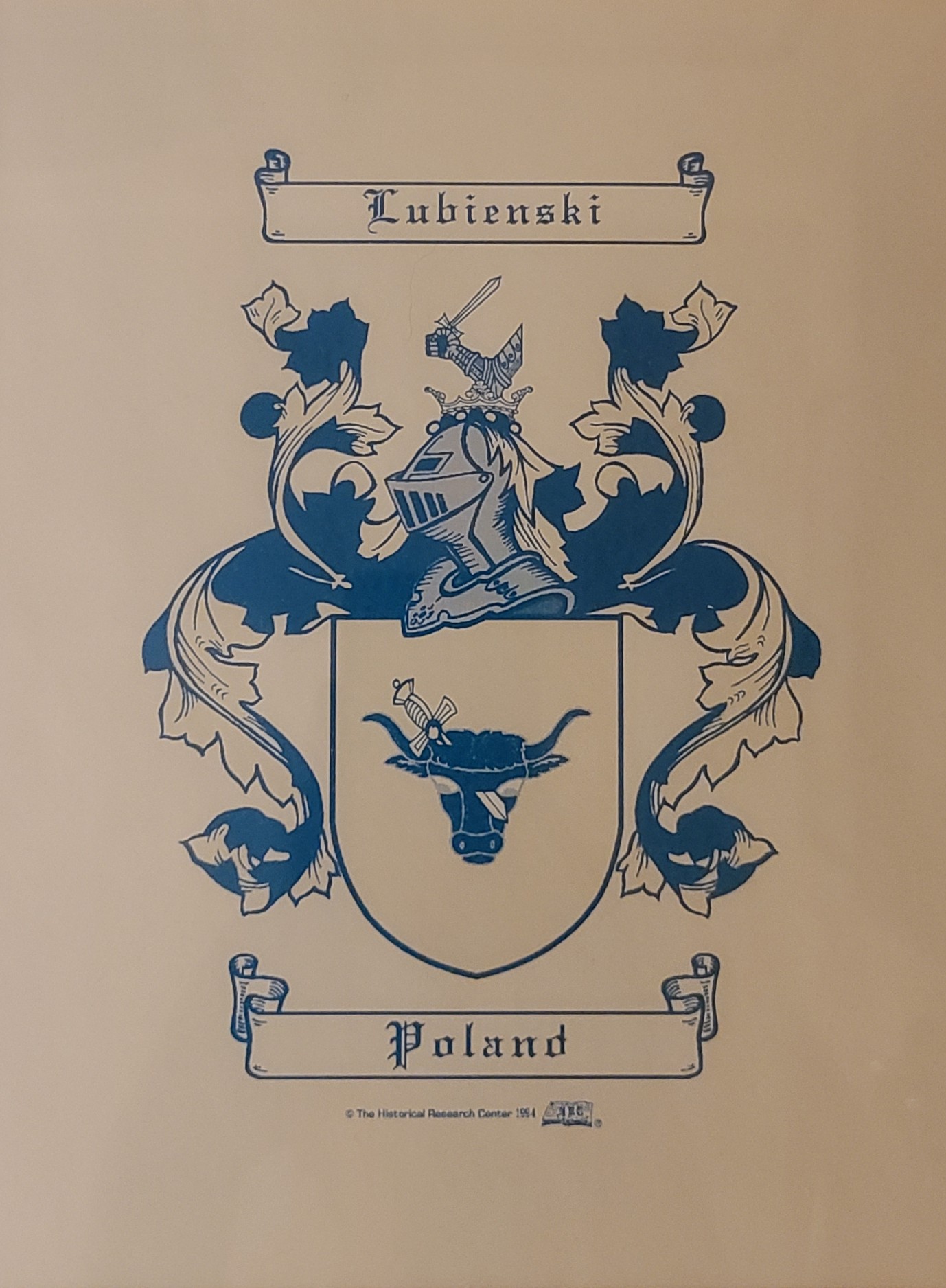

The Polish surname Łubieński, whose spelling evolved into Lubianski, traces its roots to noble families originating from towns such as Lubień Kujawski in Silesia and Lubiny in Northern Poland. The Łubieński family belonged to the szlachta, the Polish nobility, whose status was defined by lineage, land ownership, and service to the Crown. Members of this family were historically associated with the Pomian coat of arms, depicting a bull's head sable pierced with a sword, a symbol of valor and steadfastness. This heraldic emblem was granted to the first known bearer, Wojciech Łubieński, for his bravery in battle against the Teutonic armies — a distinction that marked the family's entry into the knightly class.
Across the centuries, the Łubieński's held prominent positions in both ecclesiastical and military spheres. Stanisław Łubieński, Archbishop of Łuck (Lutsk), was instrumental in founding the Kraków Academy, advancing education and theology in the early modern Polish state. Władysław Łubieński, Archbishop of Lwów (Lvov), served as regent during the interregnum following the death of King August II, a role reserved for the most trusted members of the nobility. Later, Tomasz Andrzej Adam Łubieński, a brigadier general in the Polish army, fought alongside Emperor Napoleon, continuing the family's martial tradition. These figures exemplify the Łubieński family's enduring influence across Poland's religious, intellectual, and political life (Historical Research Center, 1994).
By the mid-19th century, however, the region of Silesia faced severe hardship. Epidemics, floods, crop failures, economic instability, and increasing Prussian conscription of Poles placed enormous pressure on both noble and common families. These conditions prompted many to emigrate. In 1855, thirteen Polish families sailed to the United States and founded Martinez, later renamed Saint Hedwig, in Texas. Although the Łubieński family was not part of this initial group, they followed soon after for similar reasons, continuing their legacy of resilience and adaptation.
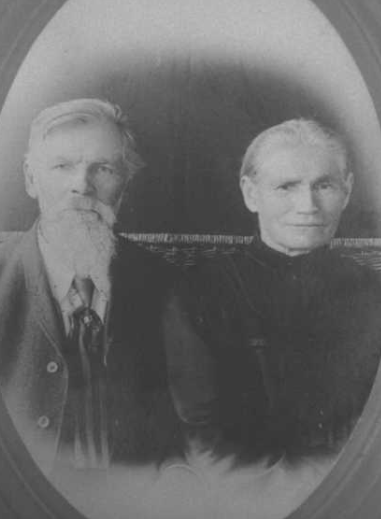
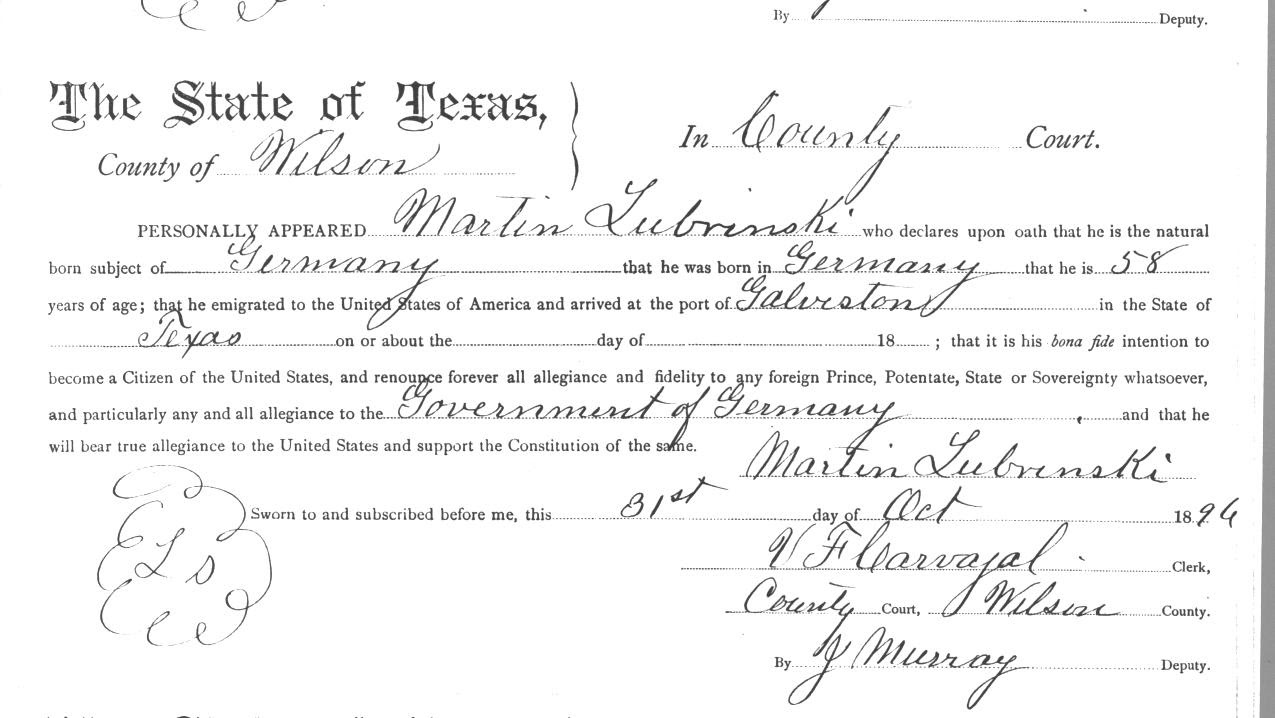
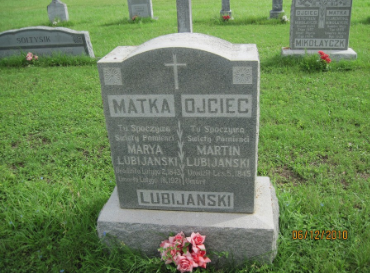
The family's American chapter began in the late 1870s, when Louis Lubianski traveled with his parents, Marya and Martin, departing from Liverpool and arriving at Ellis Island in New York before continuing on to Port Lavaca, Texas. Their migration was part of the Second Wave of Polish immigration to the United States, driven by both opportunity and necessity. Upon settling in Saint Hedwig, the Lubianski family began practicing agriculture and quickly integrated into the existing Polish community — many of whom had come from the same region of Poland. With the support of fellow parishioners, they learned English, maintained Polish customs, and preserved their Catholic traditions.
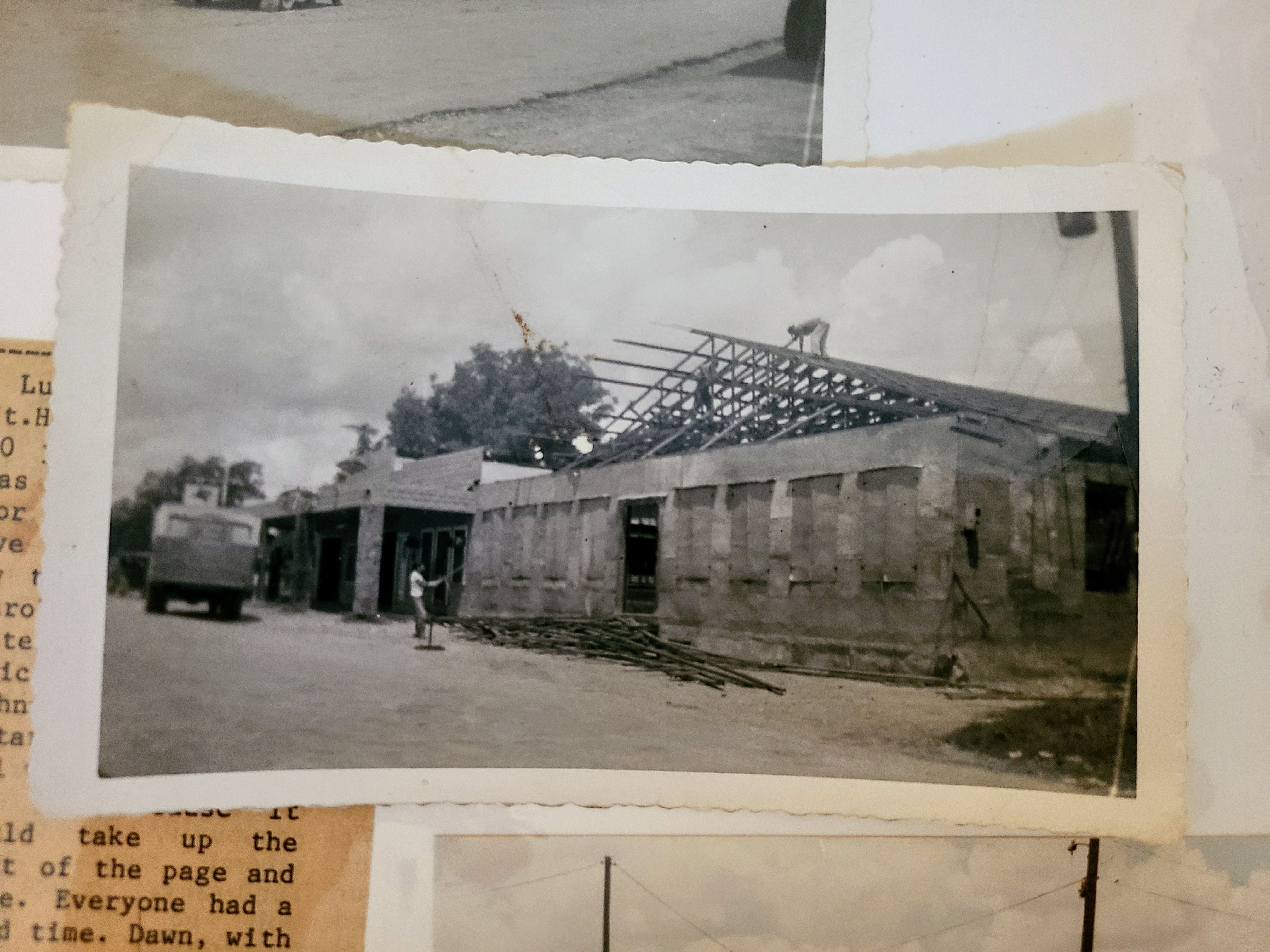
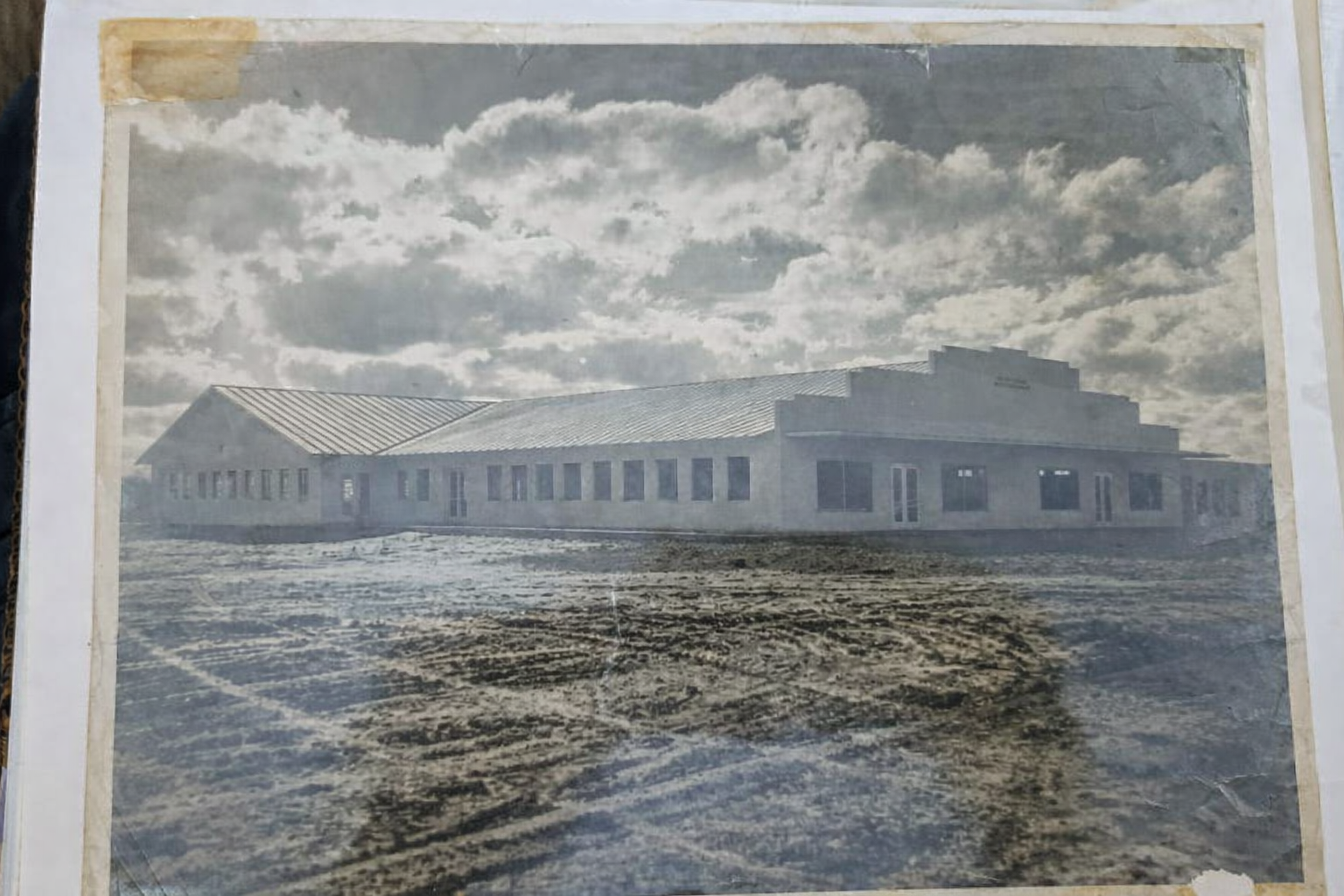
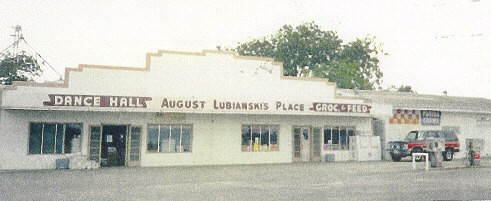
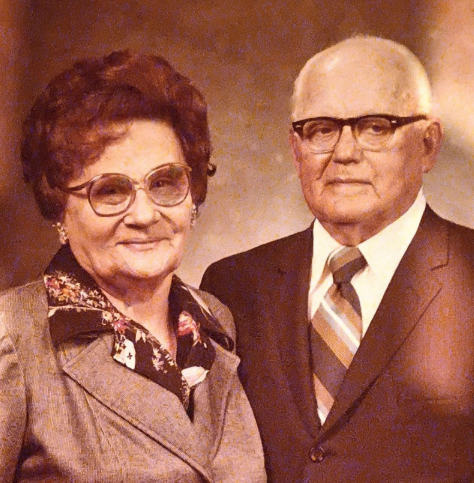
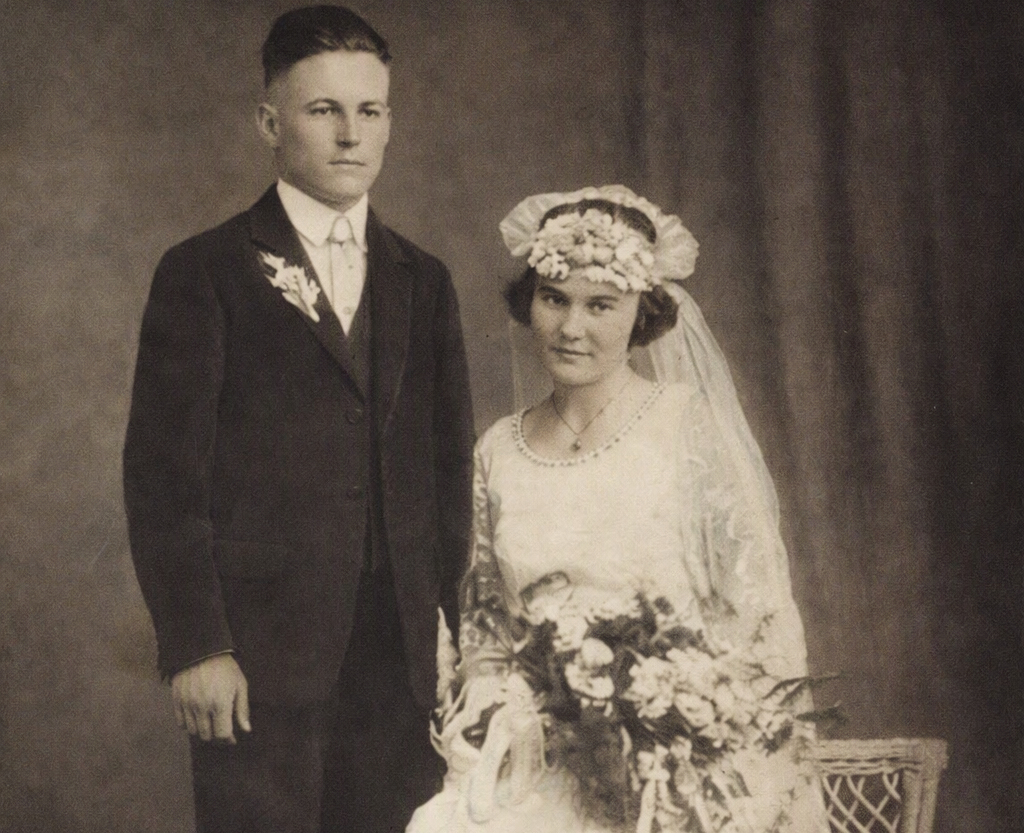



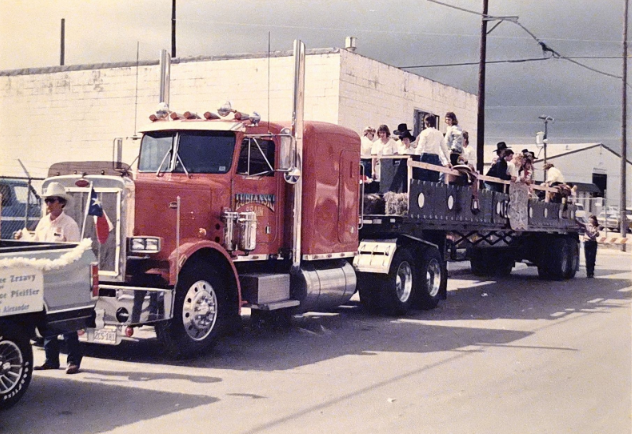
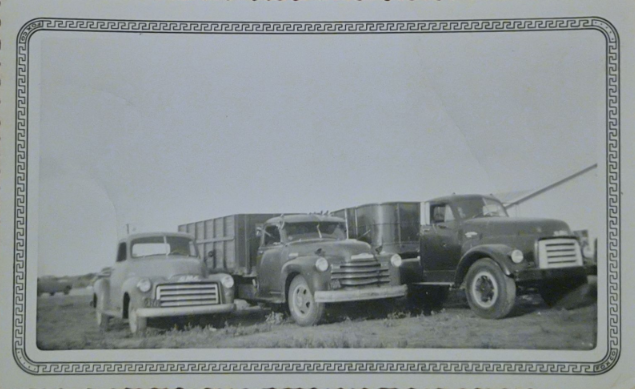
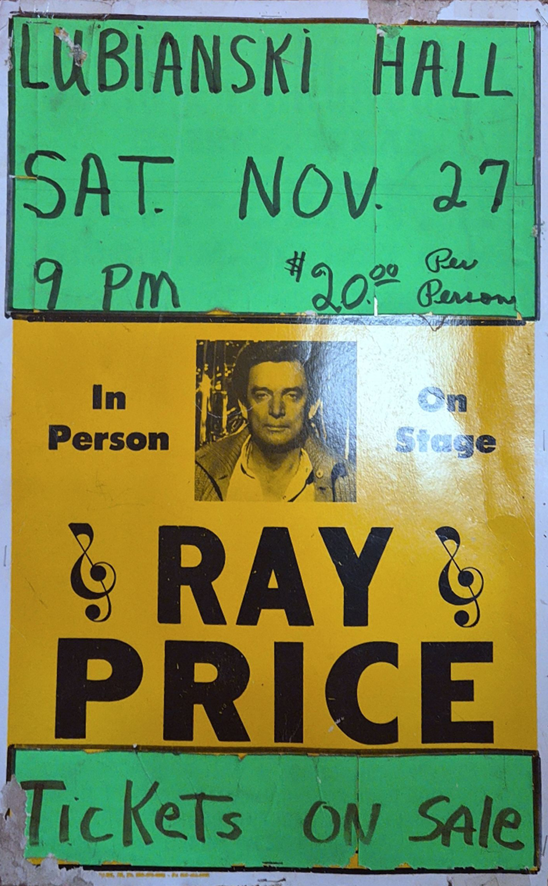
In the heart of Saint Hedwig, the Lubianski name became synonymous not only with heritage but with community life. What began in 1920 as a modest grocery store, dance hall, and saloon founded by August Lubianski Sr. and his wife Julia soon grew into a cornerstone of local culture. Located near the present-day volunteer fire department, the establishment drew crowds from across Wilson County who came to shop, share a drink, and dance beneath the hall's glowing lights.
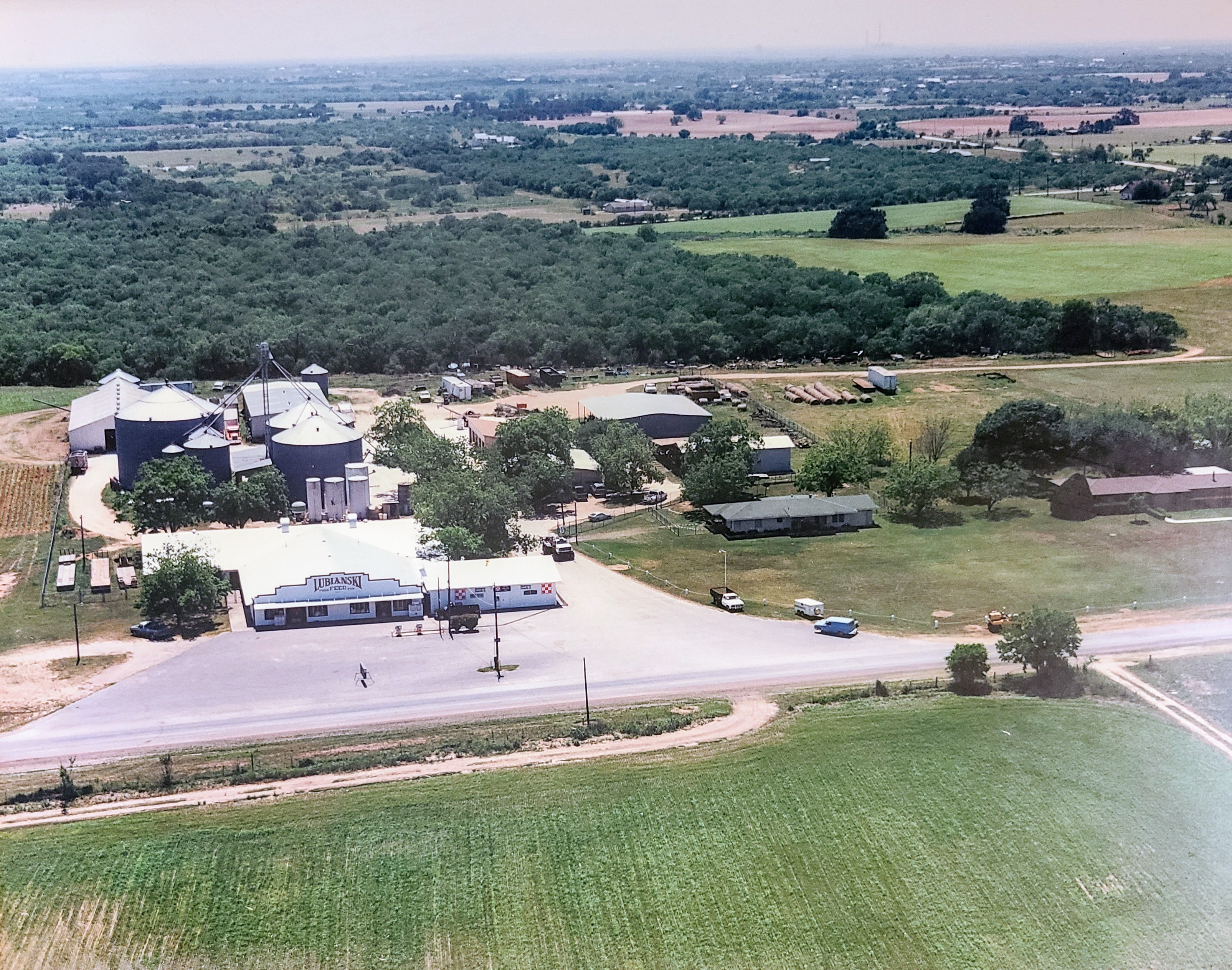
By 1949, the business had outgrown its original site, prompting a move to its current location east of Loop 1604. Through the 1960s, the store expanded eastward, and the next generation — August Jr. and Gerald Lubianski — transformed the enterprise into Lubianski Grain Company, adding feed and farm supplies while maintaining the grocery operation. Their vision was simple yet enduring: to provide everything a local farmer might need under one roof.
Over time, the Lubianski family adapted to the changing rhythms of agriculture. The business offered a full line of feed and animal health products from Purina and Nutrina, continuing to serve both farmers and families. The dance hall remained a beloved gathering place, hosting weddings, community events, and performances by local and national artists. In its heyday, legends such as Ray Price, Johnny Bush, Moe Bandy, and a young Willie Nelson graced its stage, while generations of Saint Hedwig residents met lifelong friends — and often spouses — on its dance floor.
Source: "Business Provides Feed and Fun," Amy Seiford, Wilson County News, June 15, 2005.
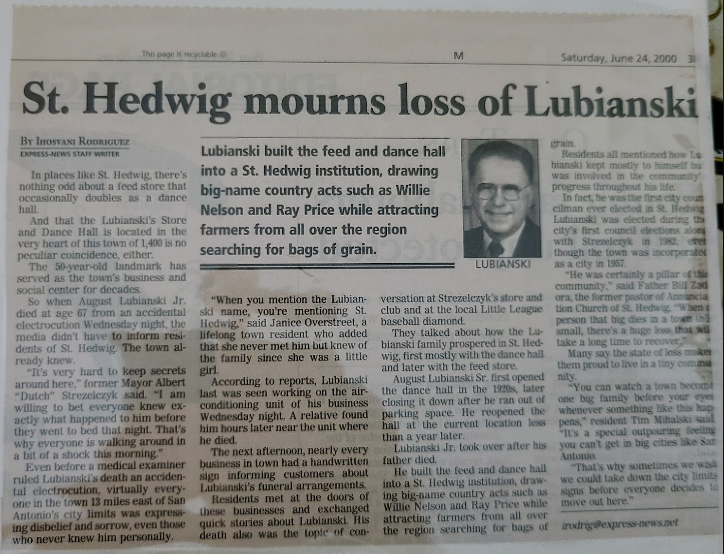
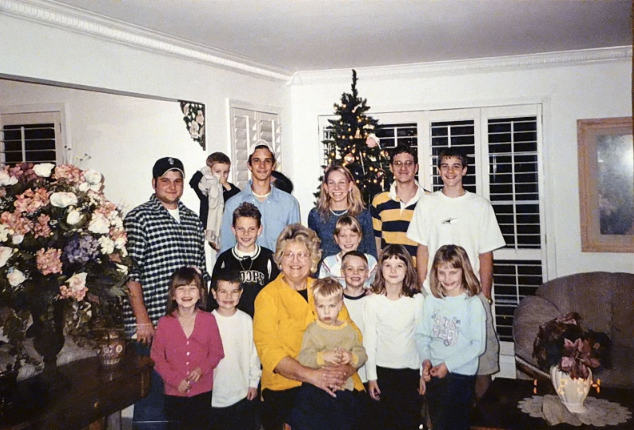
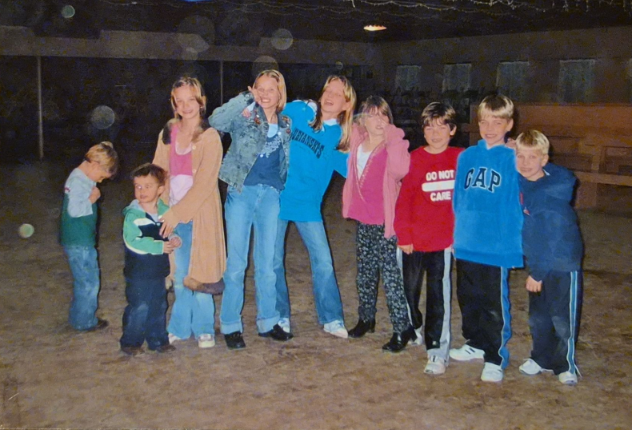
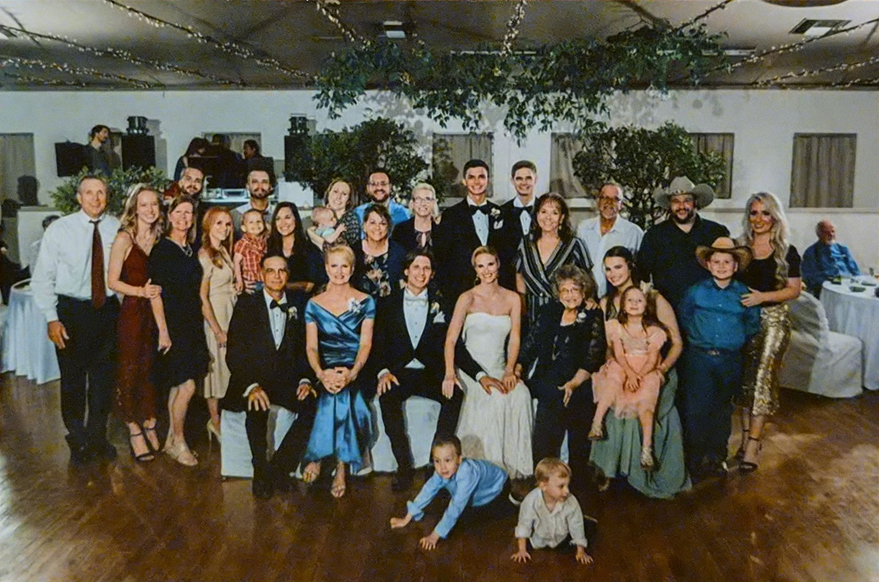

Following the tragic death of August Jr. Lubianski on June 21, 2000 by accidental electrocution, the Lubianski family continues the family legacy that was started by Martin and Marya Lubianski. The fourth generation of the Lubianski family is becoming ready to take the torch and continue to serve the community.
"There's nothing odd about a feed store that occasionally doubles as a dance hall." — Wilson County residents, on what makes Lubianski's one of a kind.
Source: "St. Hedwig mourns loss of Lubianski," Ihosvani Rodriguez, San Antonio Express-News, June 24, 2000.
The same counter, the same hardwood floor, the same family. Stop by the store or come dance with us.